
Preventive Dentistry
Prevention Protects Precious Smiles!

Your child should see their pediatric dentist every six months for preventive teeth cleanings and checkups.

Preventive Dentistry | Dentist
We Warmly Welcome New Patients to Our Practice
Contact Us

Preventive Dentistry

When you are a parent, your child’s well-being is a top priority, and this also includes their oral health. Like you, your child should visit the dentist every six months. Choosing a pediatric dentist for their care makes the experience the best it can be because we focus on your child’s unique needs as well as their comfort. 

Your Child’s First Visit

According to the recommendations of the American Academy of Pediatric Dentistry (AAPD), your son or daughter’s first visit should happen around the age of one year, or six months after their first tooth arrives, whichever comes first.

That might seem early, but it allows us the opportunity to start building a relationship with your child. This is so important because many people who are fearful of the dentist report that their anxiety began at a young age. We want your children to feel comfortable, safe, and confident about their future dental visits. 

Early visits also allow us to begin watching your son or daughter’s oral development so we can detect any potential concerns in their most initial stages.

When They Get Older

As your child grows, we will begin to include cleanings at routine visits. We do this only when they feel comfortable and ready for it. We are also careful to explain every procedure, so your little one is not surprised or uncomfortable during the procedure.

When kids get older, we may recommend dental sealants and fluoride treatments to protect their oral health.

Fluoride helps to strengthen small teeth that are still developing. Because it’s a mineral, it can also assist in rebuilding teeth that have been compromised by tooth decay. Fluoride treatments are easily incorporated into your child’s cleanings and don’t require any extra appointment time.

Dental sealants are a thin layer of protective coating that covers the biting surfaces of your son or daughter’s back teeth. Sealants are a noninvasive treatment that can typically be completed during one short appointment. We notice less tooth decay and cavities in our patients with sealants as opposed to those without them.

Protecting Their Oral Health

Besides dental sealants and fluoride treatments, your pediatric dentist will also have recommendations for the right protective mouth guard for your child if they should decide to participate in sports.

Did you know that nearly 40 percent of dental emergencies are sports related? Choosing a custom mouth guard for your son or daughter will give them the protection they need to excel in their chosen sport and protect their teeth and mouth from injury.

Contact our pediatric dental office today if you have questions about your child’s oral health, or if it’s time to schedule their next appointment.

Frequently Asked Questions

Both your pediatric specialist and the American Academy of Pediatric Dentistry (AAPD) state that your child's dental visit should be at one year of age, or at least six months after the first tooth comes in. There are many reasons to start dental care early on such as:

  • It allows your pediatric dentist to begin monitoring your son or daughter's oral health and development so they can detect any concerns at an early stage.
  • It helps your child acclimate to visiting the dentist and to understand that it's a safe and welcoming place.
  • This is an excellent time to ask questions about your son or daughter's oral development so you can make the most of your routine at home.

You can prepare your child for his or her dental visits by talking about it beforehand in a positive way. Reading books or stories to them about visiting the dentist can also be helpful in preparing them for what's going to happen during their appointment. You might also consider bringing your child along with you to your cleaning and checkup so they can see what visiting the dentist is like. 

We are happy to help! Contact our office for more information on preparing your son or daughter for their first dental visit.

Yes. Today's digital x-rays are far safer than traditional radiographs. They emit less radiation, equivalent to taking a short walk in the sun. They also produce crisp and resizable images for your dentist, and this contributes to improved diagnostics and better treatment planning. Digital x-rays are also environmentally friendly compared to radiographs of the past. 

Meet Our Dentist:

Dr. Jessica Massie

Dr. Jess grew up in the Midwest, spending most of her time outdoors and playing sports. She attended Indiana University, where she had the opportunity to play on the Women’s Tennis Team. After IU, she joined the Class of 2008 at the University of Michigan School of Dentistry. It was there that she discovered just how important—and surprisingly complex—teeth really are! She spent countless hours in the pediatric clinic because, let’s be honest, kids are simply more fun.

After ...

Preventive Dentistry Technology

Digital X-Rays

Modern digital dental x-rays benefit patients in a number of ways: 

  • Digital x-rays expose patients to considerably less radiation than conventional film x-rays
  • Digital x-rays require almost no time for development, reducing time spent waiting in the dental chair
  • Digital x-rays allow for incredibly precise and accurate images for timely diagnoses
  • Digital x-rays are securely stored in your digital file and can be securely sent to your insurance company or specialists, when necessary

Because no chemicals are needed for developing and no space is needed for film storage, digital x-rays are better for the environment.

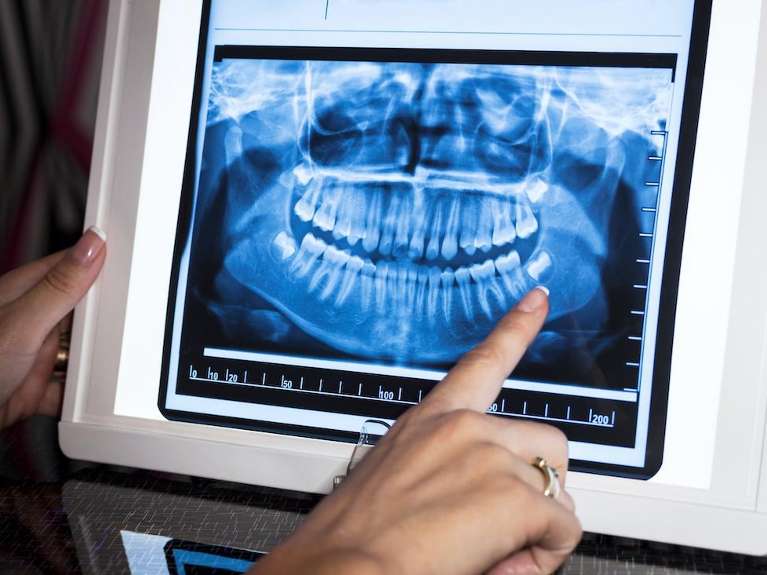
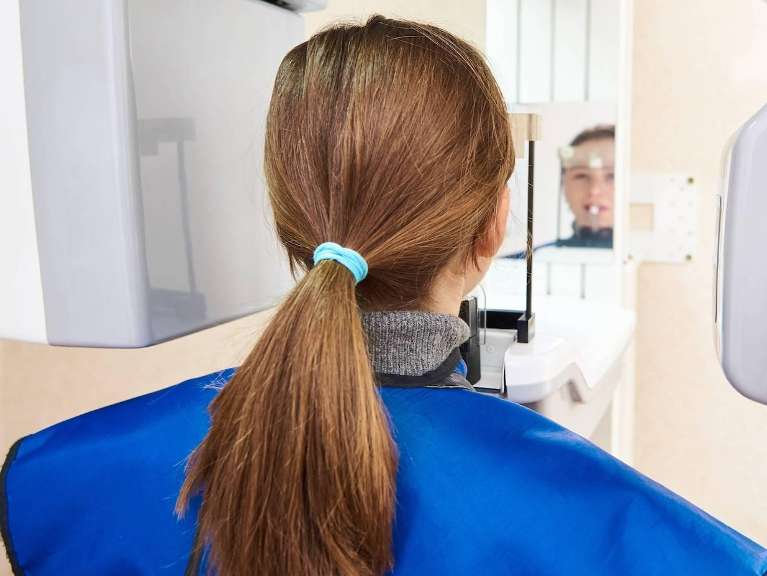
Panoramic X-Ray

Individual x-rays are beneficial for identifying decay, infection, and many other dental conditions. Having a full-picture view is often helpful, and that’s where panoramic x-rays come in handy. Panoramic x-rays take a full-picture view of the teeth, bone, jaw joints, and other biological landmarks. These types of x-rays are helpful in planning oral surgeries, such as extractions and dental implant placement, as well as identifying tumors, cysts, and jaw joint problems.

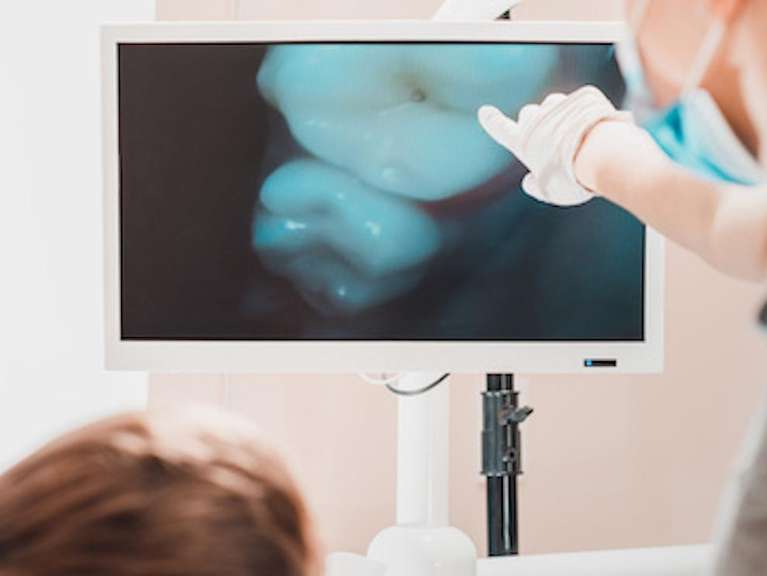
Intraoral Camera

What if you could see exactly what your dentist sees? You'd probably find it simpler to make informed decisions about your oral health! 

Intraoral cameras allow you to do precisely that. Using a small digital camera embedded in a wand, the dentist can move it around your mouth and transmit the images instantly to a chairside monitor. This allows you to clearly see everything the dentist describes, including damage to the teeth and signs that might indicate periodontal disease. 

Are You Ready to Book Your Next Dental Visit?
Contact Us